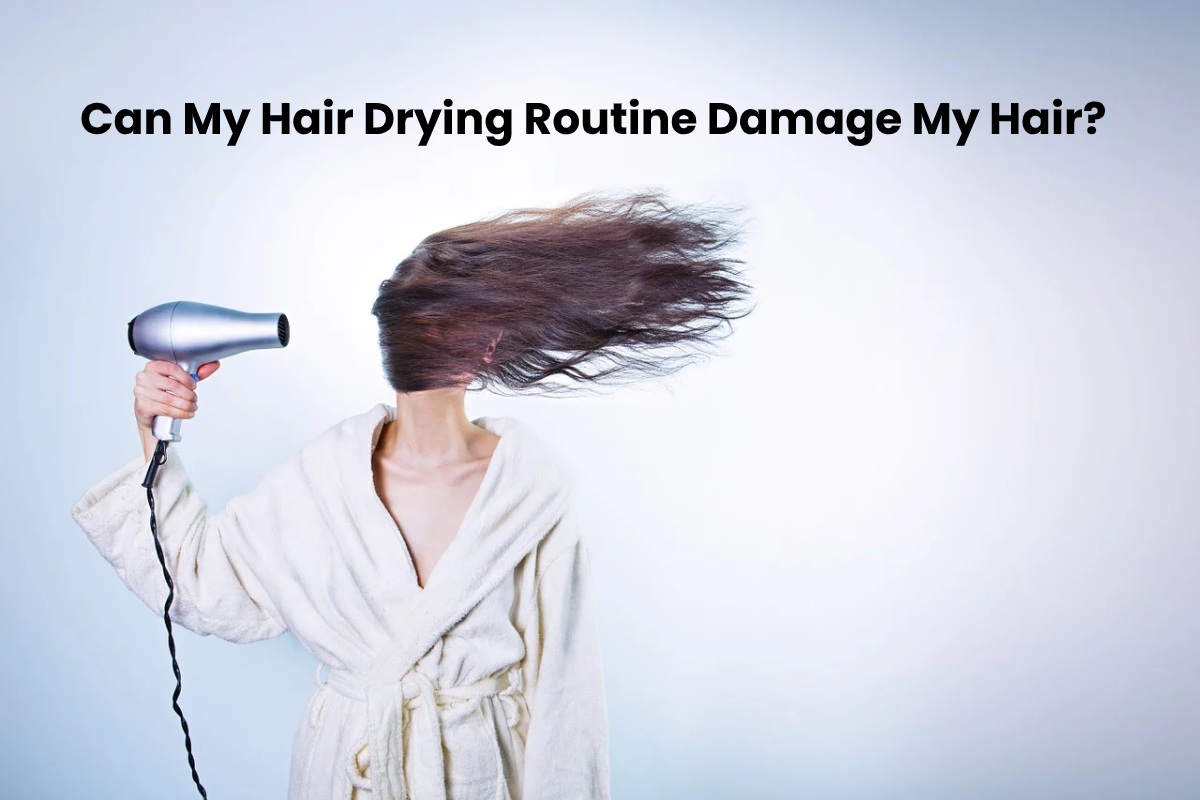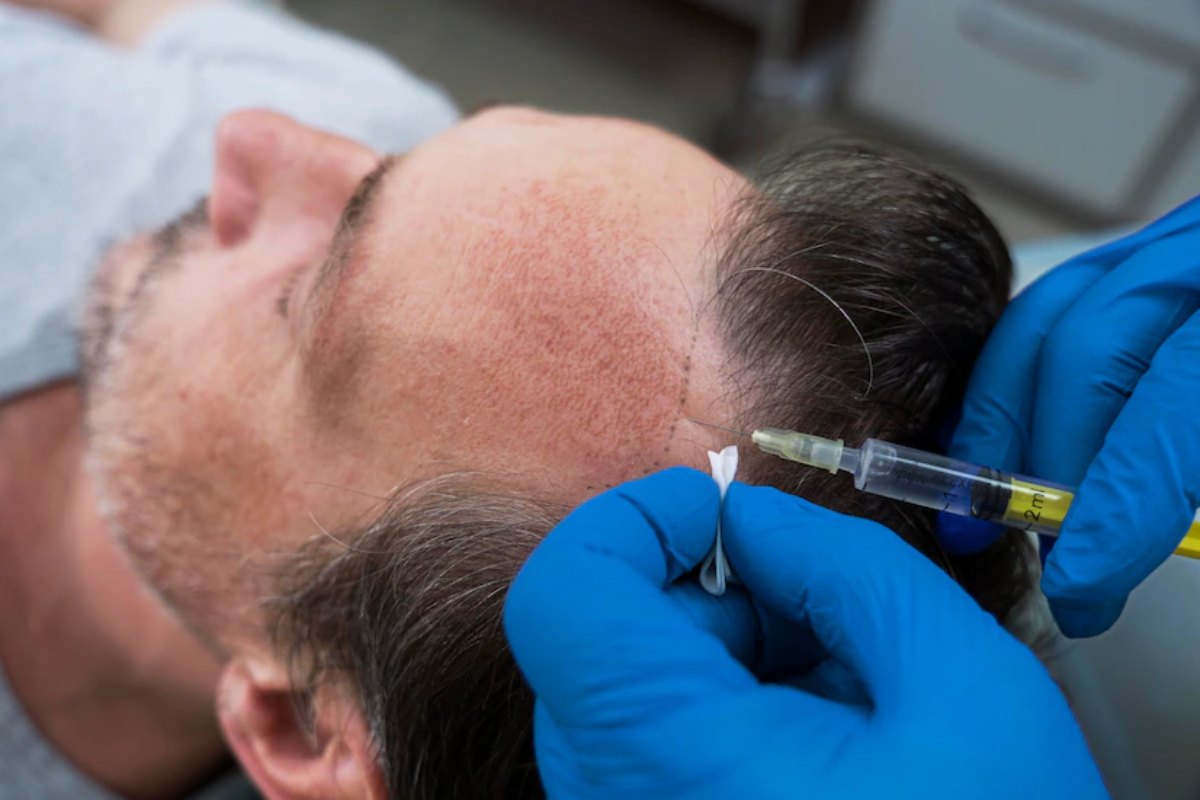

If you’ve looked in the mirror and noticed thinning hair or brushed your mane only to find a larger-than-average clump left over, you may be concerned about hair loss.
Balding or thinning hair is an unfortunate fact of life for most Americans, especially as we age. In fact, roughly 85% of men over the age of 50 have thinning hair.
Male and female-pattern baldness may be common, but few people realize that there are many types of hair loss and many types of treatment. If you are noticing the early stages of thinning hair or baldness, read on to learn the various kinds of hair loss and how you can manage them.
Table of Contents
- Alopecia
- Alopecia Areata
- Cicatricial Alopecia
- Medical Conditions
- Telogen Effluvium
- Hair Loss from Medical Treatments
- Tinea Capitis
- Treating Hair Loss
- Talk to Your Doctor About the Types of Hair Loss
Alopecia
Androgenetic alopecia, commonly called male or female-pattern baldness, is by far the most prevalent form of hair loss, affecting 50 million men and 30 million women in the U.S.
Genetics and environment are the most common causes of hair loss, with the hereditary trait often jump-started by hormones. In men and women, mild hair loss can being once they hit puberty, though it may take decades to progress.
Men experience more aggressive hair loss than women, who often only see thinning hair rather than bald spots. Men with male pattern baldness commonly see a receding hairline first, with the top of the scalp eventually going bald.
Alopecia Areata
Alopecia areata is a disorder where your immune system attacks your hair follicles, making your hair fall out and unable to grow back. The cause is likely linked to genetic conditions, and this type of hair loss can arise anytime from childhood to adulthood.
Hair usually starts falling out in small clumps measuring a few centimeters. Losing hair is usually painless and often unnoticeable in the early stages.
Over time, hair loss can extend to eyebrows, beards, and other areas around the body. This sometimes results in complete hair loss, or alopecia universalis. Hair regrowth is also uncertain, as some people grow hair back for good while others lose it repeatedly.
Cicatricial Alopecia
Although it’s rare, there are many causes and types of cicatricial alopecia, putting it in a class of its own.
Also called scarring alopecia, cicatricial alopecia is caused by inflammation in the scalp, which results in scar tissue replacing hair follicles. Hair can no longer grow where there is scar tissue. Along with scarring, the scalp can experience itching, swelling, and rash-like sores across the skin.
Medical Conditions
Did you know that COVID causes hair loss? Well, the stress of a pandemic does at least.
Physical changes and strains like stress, vitamin deficiency, surgery, fevers, and thyroid problems can all trigger a particular type of hair loss — telogen effluvium.
Telogen Effluvium
Telogen effluvium is a disruption in your hair’s growth cycle. Hair grows in the anagen stages, transitions briefly to a catagen stage, and then goes into a resting stage called telogen. In telogen, the follicles are pushed out of the scalp to make way for new hair growth.
When you have telogen effluvium, follicles enter telogen early, resulting in you losing hair in large amounts. Patches or thinning hair are common, but you’re unlikely to go completely bald.
There are several more opportunities for women to develop telogen effluvium. Pregnancy, childbirth, postpartum depression, menopause, and even birth control can all cause hair loss.
Symptoms of telogen effluvium usually pop up a few months after the triggering event. Although it’s usually temporary, lasting six months or less, some people have chronic problems that last for years.
Hair Loss from Medical Treatments
Cancer patients commonly experience hair loss as a side effect of chemotherapy. This kind of hair loss, call anagen effluvium, occurs when hair cells, along with cancer cells, are shut down by the treatment.
Unlike telogen effluvium, anagen effluvium occurs in the hair growth stage. The condition is rarely permanent, and you can expect hair to grow back for good in 1-3 months after treatment.
Medications for high blood pressure, heart conditions, and arthritis can also contribute to temporary hair loss.
Tinea Capitis
Tinea capitis is a type of ringworm that attacks the scalp. This infection is more common in children than adults.
Hair falls out in patches that eventually create growing bald spots. The scalp is usually irritated, with the fungus, making it itchy, red, and dry. Worsening conditions can even lead to open sores on the scalp and swollen glands around the neck.
Removing the ringworm with oral medications is usually quick and permanent. Hair regrowth is more rapid if the problem is caught early.
Treating Hair Loss
Certain types of hair loss, like traction alopecia and chignon alopecia, are caused by rough hair treatments. Tugging and pulling hair into weaves and other styles can lead to temporary hair loss.
You can prevent many of the less common types of hair loss by being gentle. Positive practices like eating healthy, shampooing regularly, and avoiding stress can all reduce your chances of losing hair.
Dermatologists can often help slow or reverse symptoms caused by alopecia or effluvium with hair loss medications. Over-the-counter options like Rogaine, which contains the active ingredient minoxidil, are also popular. This is a common recommendation by doctors, though it can cause scalp irritation and excess hair growth.
Doctors may also prescribe oral medications like finasteride and antiandrogens to battle androgenetic alopecia. For autoimmune conditions like alopecia areata, prescription steroids are available to keep your immune system from destroying hair follicles.
There are many ineffective hair loss supplements on the market, as scammers take advantage of consumers looking for miracle cures. Meanwhile, the medicines that do work can also carry undesirable side effects.
Alternative treatments like scalp pigmentation can mimic the look and depth of natural hair, making them effective for all hair loss causes. These semi-permanent treatments are almost like tattoos that mimic hair. They can last up to eight years with little upkeep and no adverse side effects.
Talk to Your Doctor About the Types of Hair Loss
If you start noticing more than the normal 50-100 hairs falling out daily, it may be time to talk with your doctor. They can perform blood and scalp tests to diagnose the cause and offer treatment plans for all types of hair loss.
Beauty doesn’t stop at great hair. Follow our blog for more head-to-toe beauty tips.